
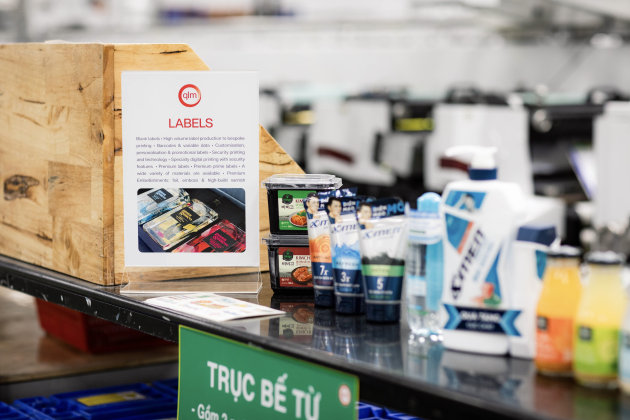
The packaging and labeling industry is undergoing a major transformation as brands, manufacturers, and consumers demand more efficient, sustainable, and visually engaging packaging solutions. Across global markets, companies are investing heavily in new materials, automation, and innovative labeling technologies to meet changing consumer expectations and regulatory requirements.
At the same time, emerging manufacturing hubs such as Vietnam are becoming increasingly important players in the global packaging supply chain.
The Global Packaging and Labeling Market Continues to Grow
Packaging is one of the fastest-growing segments in the manufacturing industry, supported by the expansion of e-commerce, global trade, and consumer packaged goods.
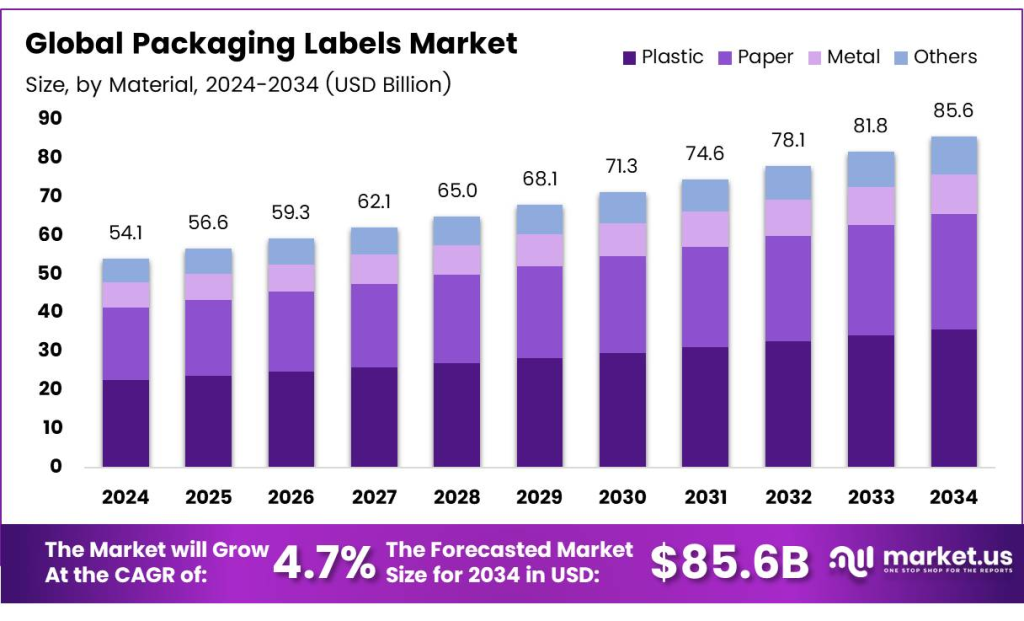
The global packaging labels market alone was valued at around USD 54.1 billion in 2024 and is expected to reach more than USD 85 billion by 2034, driven largely by rising demand for packaged food, consumer goods, and online retail distribution.
Several major factors are driving this growth:
- Rapid expansion of e-commerce worldwide
- Increasing demand for product differentiation through packaging design
- Strong growth in food, beverage, and personal care industries
- The need for traceability and regulatory labeling
Modern labels are no longer just informational—they are now essential tools for branding, marketing, and consumer engagement.
Shrink Sleeve Labels and Advanced Packaging Technologies
Among the many labeling technologies available today, shrink sleeve labels have become one of the fastest-growing solutions in the market.
These labels allow brands to cover the entire container surface, enabling 360-degree branding and stronger shelf visibility. Because of their flexibility and visual impact, shrink sleeves are widely used in beverage, cosmetics, and consumer goods packaging.
Industry analysis shows that shrink sleeves already represent over 12% of packaging label volume globally, and demand is expected to continue increasing over the next several years.
Key advantages include:
- Full-body branding capability
- High-quality graphics and printing
- Compatibility with modern automated packaging lines
- Tamper-evident security options
As brands compete more aggressively for consumer attention on store shelves, innovative labeling technologies are becoming a critical competitive advantage.
Vietnam: A Fast-Growing Packaging Manufacturing Hub
Vietnam has emerged as one of the most dynamic markets for packaging manufacturing in Southeast Asia. The country’s strong export industry, rapid urbanization, and expanding consumer market are driving significant demand for packaging solutions.
The Vietnamese packaging sector currently includes more than 14,000 companies and is growing at an estimated 15–20% annually, making it one of the fastest-growing manufacturing sectors in the region.
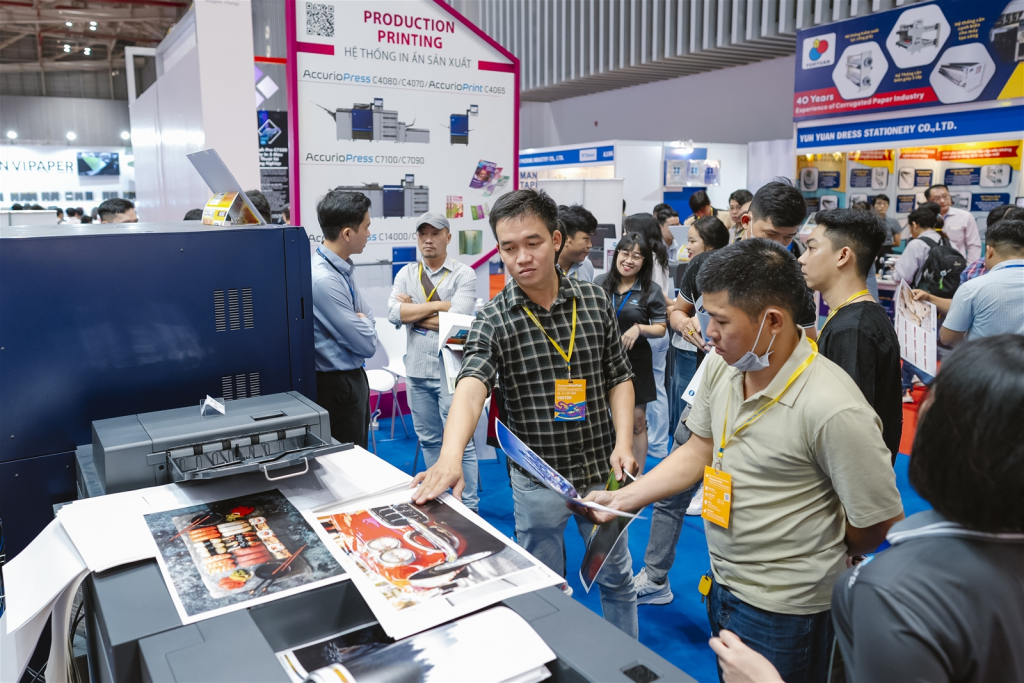
Several factors contribute to this rapid growth:
- Expansion of the food and beverage industry
- Rising demand for packaged consumer goods
- Strong growth of e-commerce and modern retail
- Increasing foreign investment in manufacturing
The packaging printing market in Vietnam alone is projected to grow from USD 58.7 billion in 2025 to nearly USD 86.9 billion by 2031.
This rapid development is attracting international packaging companies and driving the adoption of advanced printing and labeling technologies.
Sustainability Is Reshaping the Industry
One of the most significant changes in the packaging industry is the global shift toward sustainability.
Governments, brands, and consumers are increasingly demanding packaging that:
- Uses recyclable materials
- Reduces plastic waste
- Supports circular economy initiatives
- Improves environmental transparency
Vietnam is also embracing this trend, with many companies investing in recyclable packaging materials, biodegradable products, and eco-friendly labeling technologies.
This transition is encouraging innovation in:
- recyclable shrink films
- sustainable label materials
- smart packaging technologies
- eco-friendly printing processes
The Future of Packaging and Labeling
Looking ahead, the packaging and labeling industry will continue evolving as technology, sustainability, and consumer expectations reshape the market.
Some of the most important trends include:
1. Smart packaging and digital labels
Interactive packaging technologies such as QR codes, RFID, and NFC are enabling better product tracking and consumer engagement.
2. Automation in packaging production
Manufacturers are adopting automated labeling systems and high-speed applicators to improve efficiency and reduce production costs.
3. Premium packaging design
Brands increasingly invest in high-quality printing and unique packaging formats to differentiate products on store shelves.
4. Sustainable materials and eco-friendly packaging
Environmental regulations and consumer awareness are accelerating the transition toward recyclable and biodegradable packaging solutions.
Conclusion
The packaging and labeling industry is entering a new era of innovation and growth. As global demand for packaged goods continues to rise, companies must adapt to changing technologies, sustainability requirements, and consumer expectations.
Vietnam’s rapidly expanding packaging sector, combined with global advances in labeling technology, presents significant opportunities for manufacturers, packaging suppliers, and brands seeking to strengthen their product presentation and supply chain efficiency.
For businesses operating in modern consumer markets, packaging is no longer just protection—it is a powerful tool for branding, sustainability, and competitive advantage.
