
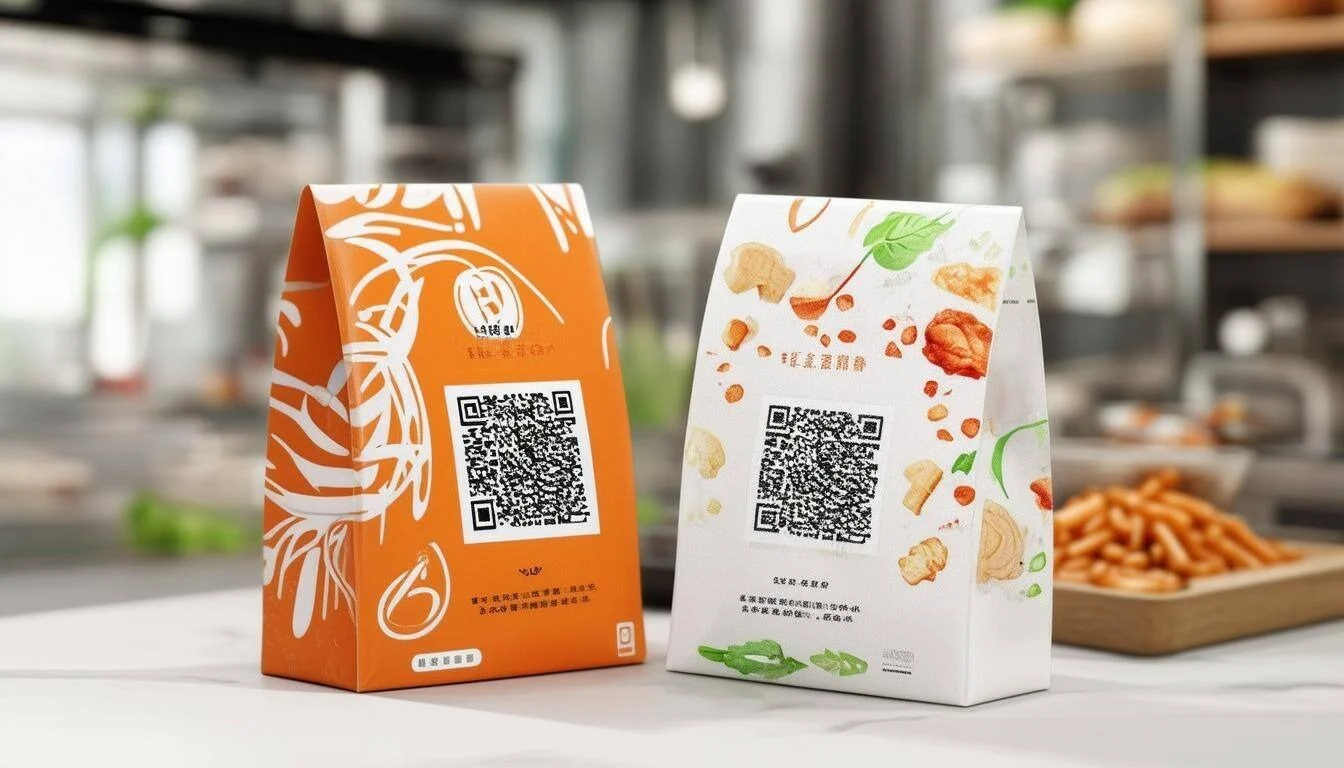
Packaging is no longer limited to protecting products or displaying brand information. In recent years, technological innovation has introduced a new concept known as smart packaging, where packaging interacts with consumers, provides digital information, and enhances supply chain visibility.
Through technologies such as QR codes, RFID tags, NFC chips, and digital labels, companies can transform ordinary packaging into an interactive communication tool. These technologies are increasingly used across industries including food, pharmaceuticals, cosmetics, and consumer goods.
Smart packaging is quickly becoming an important part of the modern packaging and labeling ecosystem.
What Is Smart Packaging?
Smart packaging refers to packaging systems that incorporate digital or electronic features to provide additional functionality beyond traditional packaging.
Unlike conventional labels that only display printed information, smart packaging can connect physical products with digital platforms. This allows companies to deliver product data, marketing content, authentication systems, and supply chain tracking through packaging itself.

Smart packaging generally falls into two categories:
Active packaging – packaging that helps extend product shelf life or maintain product quality.
Intelligent packaging – packaging that communicates information about the product, such as freshness, authenticity, or origin.
Smart Labels and Digital Tools – Smart labels use technologies such as QR codes, barcodes, NFC, and RFID to connect packaging with digital information. They allow consumers to access product details and help businesses improve traceability, authentication, and inventory management.
Data Platform Integration – Data platform integration links packaging with IoT systems and cloud platforms, allowing companies to monitor product data across the supply chain. This improves tracking, safety monitoring, and operational efficiency.
Most digital labeling technologies belong to the second category.
The Rise of Digital Labels
Digital labels are becoming increasingly popular because they allow brands to deliver much more information than traditional printed labels.
One of the most widely used digital labeling tools today is the QR code. By scanning a QR code printed on packaging, consumers can access product details, promotional campaigns, or brand stories directly from their smartphones.
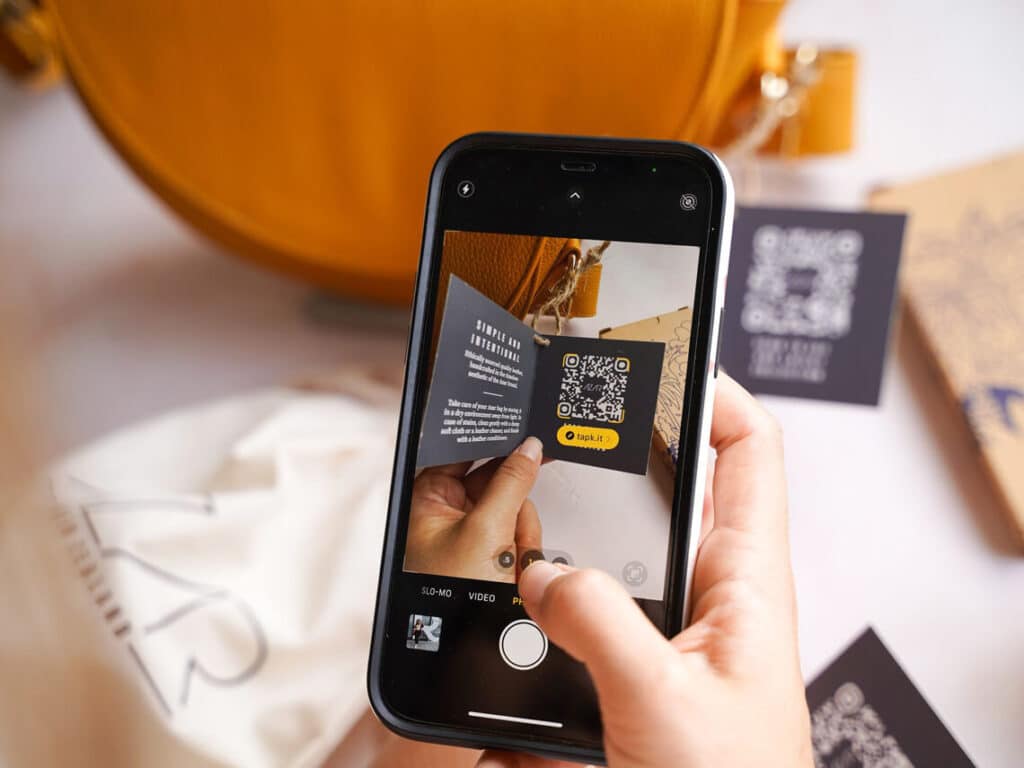
Many companies are also adopting NFC (Near Field Communication) and RFID (Radio Frequency Identification) technologies. These technologies allow packaging to communicate with digital systems, enabling advanced applications such as product authentication and inventory tracking.
The global smart packaging market is expected to grow significantly in the coming years as more brands integrate digital technology into packaging solutions.
Benefits of Smart Packaging for Brands
Smart packaging offers several advantages for companies looking to strengthen their products in competitive markets.
Improved Consumer Engagement
Interactive packaging allows brands to connect directly with consumers. QR codes or NFC labels can lead customers to digital experiences such as product videos, brand stories, loyalty programs, or promotional campaigns.
This creates new marketing opportunities that traditional packaging cannot provide.
Product Authentication and Anti-Counterfeiting
Counterfeit products remain a major challenge in many industries, particularly pharmaceuticals, cosmetics, and luxury goods.
Smart labels can help combat counterfeiting by allowing consumers and retailers to verify product authenticity through digital verification systems.
Unique codes or digital identifiers can ensure that each product is traceable and genuine.
Supply Chain Transparency
Digital labeling technologies also improve visibility across supply chains.
RFID tags and digital tracking systems allow companies to monitor product movement from manufacturing facilities to retail shelves. This improves inventory management, reduces losses, and increases efficiency throughout the distribution process.
Enhanced Product Information
Traditional packaging often has limited space for information. Smart packaging solves this problem by linking physical packaging with digital content.
Consumers can access detailed product information such as ingredients, sourcing data, sustainability practices, and usage instructions simply by scanning a code.
Smart Packaging and Sustainability
Smart packaging also supports sustainability initiatives by reducing the need for excessive printed information.
Instead of printing large amounts of text on labels, companies can place essential information on packaging while providing additional details digitally.
This approach can reduce ink usage, simplify packaging design, and support eco-friendly labeling strategies.
Additionally, digital tracking systems can help companies monitor packaging waste and optimize recycling processes.
Industries Leading the Smart Packaging Movement
Several industries are leading the adoption of smart packaging technologies.
Food and beverage companies use QR codes to provide traceability and nutritional information.
Pharmaceutical companies use digital labels to ensure product authenticity and regulatory compliance.
Cosmetics and personal care brands integrate interactive packaging to strengthen customer engagement and brand storytelling.
Luxury brands use NFC technology to protect products from counterfeiting.
As these technologies become more accessible, adoption across other industries is expected to grow rapidly.
The Future of Smart Packaging
The future of packaging will likely combine traditional packaging materials with digital technologies that enhance product functionality and consumer experience.
Some emerging innovations include:
- blockchain-enabled product tracking
- smart freshness indicators for food packaging
- connected packaging for e-commerce logistics
- AI-driven packaging analytics
As technology continues to evolve, packaging will become an increasingly important interface between brands, consumers, and supply chains.
Conclusion
Smart packaging and digital labels are transforming the way companies design and use packaging. By integrating digital technologies into packaging systems, brands can improve consumer engagement, strengthen supply chain transparency, and protect products from counterfeiting.
As innovation continues across the packaging industry, smart packaging will play a key role in shaping the future of labeling, product information, and brand communication.
For companies seeking to remain competitive in modern markets, adopting smart packaging solutions is becoming an increasingly valuable strategy.
