
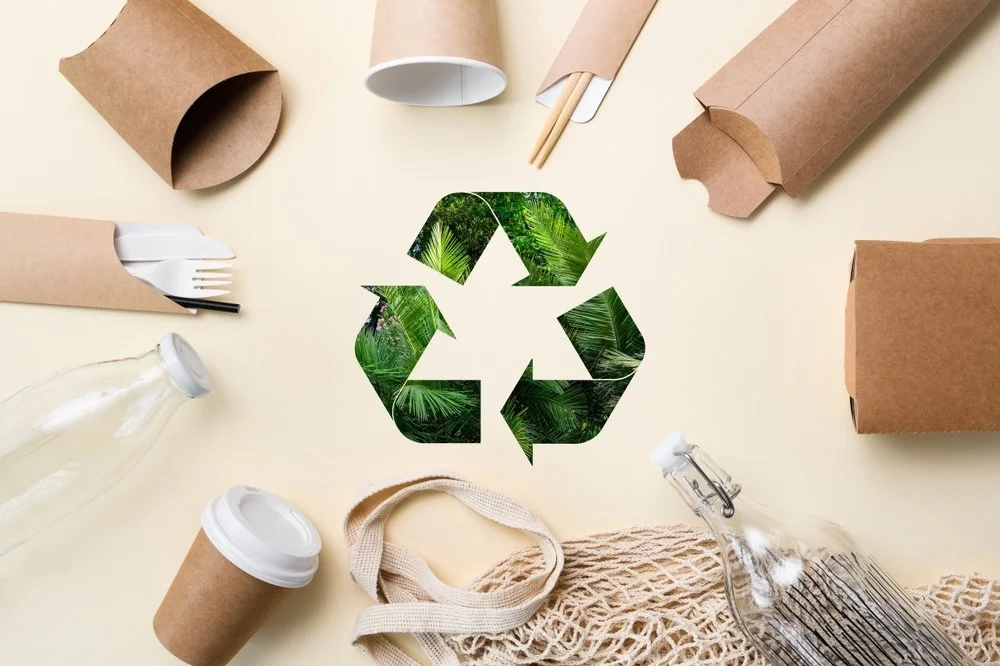
Sustainability has become one of the most influential forces reshaping the global packaging and labeling industry. Governments, brands, and consumers are increasingly demanding environmentally responsible packaging solutions that reduce waste, lower carbon emissions, and support circular economy initiatives.
As environmental regulations tighten worldwide and consumers become more eco-conscious, packaging companies are investing heavily in sustainable materials, recyclable labels, and innovative manufacturing processes.
Today, sustainable packaging is no longer a niche concept—it is becoming the new standard across global markets.
The Rapid Growth of Sustainable Packaging
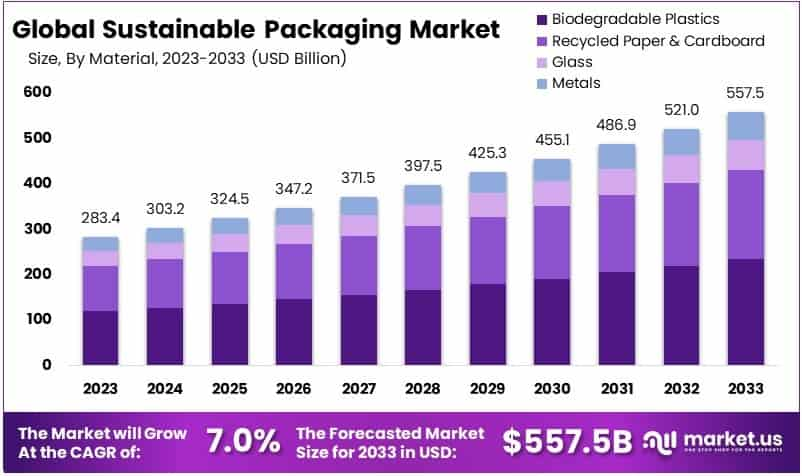
The global market for sustainable packaging has expanded significantly over the past decade. Analysts estimate that the sector will grow from about USD 347.2 billion in 2026 to more than USD 486 billion by 2031, reflecting strong demand from consumer goods, food, and e-commerce industries.
Several factors are accelerating this growth:
- Increasing environmental regulations on plastic packaging
- Corporate sustainability commitments
- Consumer preference for eco-friendly products
- Advances in recyclable and biodegradable materials
Consumer attitudes are also driving this shift. Surveys show that 64% of consumers prefer brands using recyclable packaging, and many are willing to pay a premium for environmentally responsible products.
For brands, sustainable packaging is now both an environmental responsibility and a competitive advantage.
The Shift Away from Traditional Plastics
One of the biggest transformations in the packaging industry is the gradual move away from traditional plastic packaging.
Plastic packaging currently accounts for a significant portion of global waste, yet only a small percentage is successfully recycled. As a result, governments and corporations are investing in alternatives that reduce environmental impact.
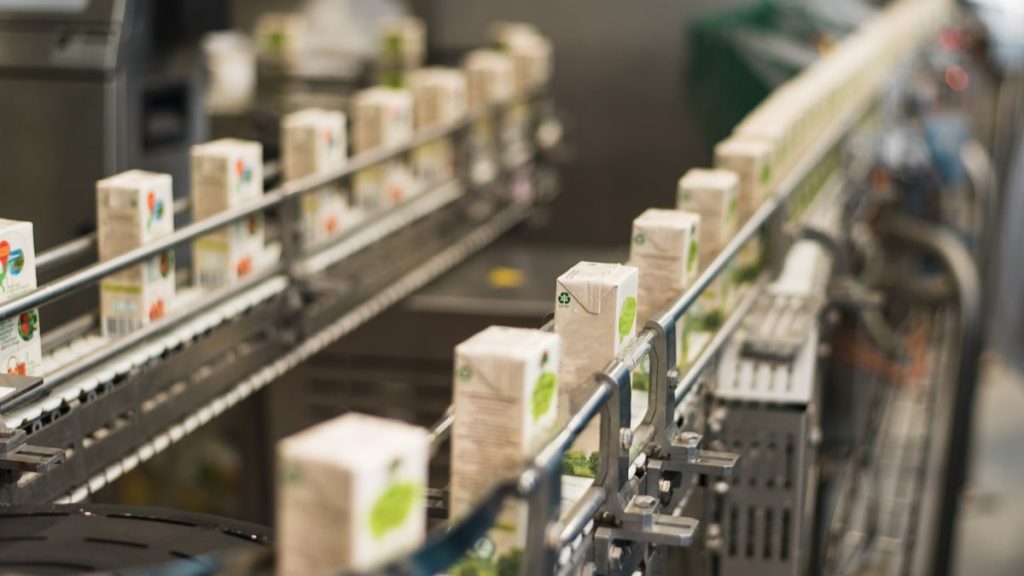
New materials gaining traction include:
Paper-based packaging
Paper and fiber-based solutions are becoming more popular, especially in food and beverage packaging, where brands seek recyclable alternatives to plastic containers.
Biodegradable and compostable materials
Innovative materials made from plants, seaweed, or agricultural waste are being developed to replace traditional plastics.
Reusable packaging systems
Many companies are also experimenting with reusable packaging models to reduce single-use materials in logistics and retail.
These innovations are helping brands reduce environmental footprints while maintaining product protection and shelf life.
Sustainable Labeling Technologies
Labeling plays a crucial role in sustainable packaging strategies. Traditional labels often use adhesives, inks, and materials that can complicate recycling processes.
To address this challenge, manufacturers are introducing new labeling technologies designed to improve recyclability.
Some of the most promising developments include:
Recyclable label materials
Labels made from recyclable films or paper help ensure packaging can be processed more easily in recycling systems.
Wash-off adhesives
These adhesives allow labels to be removed during recycling, improving material recovery.
Digital and minimal labeling
Brands are reducing printed information on packaging and replacing it with QR codes that link to digital product information.
These innovations allow companies to maintain branding and regulatory compliance while supporting sustainable packaging goals.
Regulatory Pressure Is Accelerating Change
Government policies are also pushing the packaging industry toward more sustainable solutions.
Many countries have introduced regulations that require companies to reduce packaging waste, increase recyclability, and improve transparency about materials used.
Extended Producer Responsibility (EPR) laws are expanding across global markets, holding manufacturers responsible for the entire lifecycle of their packaging products.
In addition, stricter rules around environmental claims are forcing companies to ensure their sustainability messaging is accurate and verifiable.
As a result, packaging companies must invest in better materials, clearer labeling, and more efficient production processes.
Opportunities for Packaging Manufacturers
While sustainability requirements present challenges, they also create significant opportunities for innovation.
Packaging companies that invest early in sustainable technologies can gain a competitive edge by offering:
- recyclable packaging solutions
- eco-friendly labeling materials
- lightweight packaging designs
- circular packaging systems
For manufacturers in emerging markets such as Vietnam, sustainability also opens the door to global supply chains, as international brands increasingly require environmentally responsible packaging from their suppliers.
Conclusion
Sustainable packaging and labeling are reshaping the future of the packaging industry. Driven by consumer expectations, environmental regulations, and technological innovation, companies across the world are transitioning toward greener materials and smarter packaging solutions.
Businesses that adopt sustainable packaging strategies today will not only reduce environmental impact but also strengthen brand trust and long-term competitiveness.
In the years ahead, sustainability will continue to influence packaging design, manufacturing, and labeling—making it one of the most important drivers of industry transformation.
